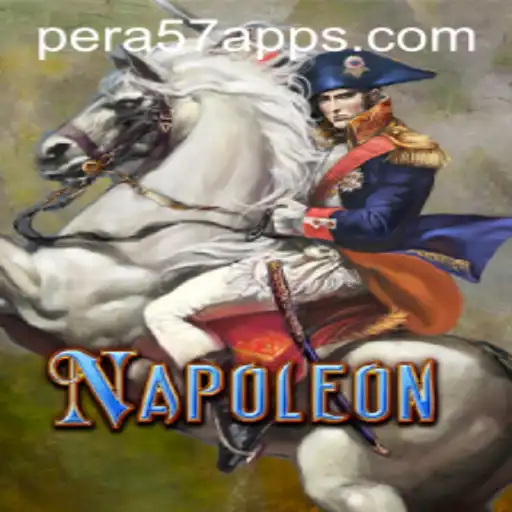
The Unveiling of 'Napoleon': A Game of Strategy and Intrigue
The world of gaming is continually evolving, introducing players to new experiences that challenge their strategic Thinking and decision-making abilities. Among these innovative games is 'Napoleon,' a card game that has captured the interest of strategy enthusiasts around the globe. With its origins steeped in historical references and intelligent gameplay mechanics, 'Napoleon' promises to be as compelling as it is educational.
An Introduction to the Game
'Napoleon' draws its name from one of history's most renowned strategists, Napoleon Bonaparte. Much like the tactician himself, the game requires players to devise careful strategies, anticipate their opponents' moves, and execute plans with precision. It is a game that embodies the spirit of conquest and the art of outsmarting adversaries.
Introduced to the gaming community following a surge in interest for historical and strategic games, 'Napoleon' has rapidly gained a following among players who appreciate the blend of historical context and modern gaming elements. The game's developers have cleverly infused historical events and figures into the gameplay, providing an educational aspect that enhances the overall experience.
The Role of 'Napoleon' in Today's Gaming Scene
As strategic games continue to gain popularity, 'Napoleon' stands out due to its unique approach to integrating history with interactive gameplay. In recent months, there has been a significant rise in gaming communities seeking experiences that not only entertain but also educate. 'Napoleon' fulfills this craving by offering gameplay that encourages players to learn about historical events and military strategies from the Napoleonic era.
The game's rise in prominence coincides with a global shift towards more strategic gaming as players look for alternatives to fast-paced action genres. The trend towards slow-paced, intellectually engaging games has given 'Napoleon' a distinct edge, as it offers a deep and rewarding experience that appeals to both young strategists and seasoned gamers.
Decoding the Rules of 'Napoleon'
Understanding the rules of 'Napoleon' is crucial for players looking to master the game. It involves a unique blend of card play, strategic thinking, and the ability to predict and counter opponents' actions. The game is typically played with a standard deck of cards, with a few additional cards that represent key Napoleonic battles and leaders, providing additional strategic layers.
Game Setup and Initial Moves
Each player begins with a hand of cards, representing their available resources and tactical options. The objective is to win rounds by outmaneuvering opponents and capturing key objectives, reminiscent of the campaigns led by the real-life Napoleon. Points are scored based on the successful execution of strategies that align with the cards in play, encouraging players to think several moves ahead.
A typical session of 'Napoleon' involves multiple rounds, each representing a different historical campaign. Players must adapt their strategies based on the cards drawn and the evolving game state. This fluid approach requires quick thinking and adaptability, as the strategies that work in one round might not be as effective in the next.
Strategic Depth and Player Interaction
One of the defining features of 'Napoleon' is the level of interaction between players, fostering an environment where allianan be formed, and betrayal is always a possibility. The game encourages diplomatic skill, as players must negotiate and, at times, deceive to gain the upper hand
The strategic layer of the game is enhanced by special cards that introduce complex events or alliances, reminiscent of the geopolitical landscape during the Napoleonic era. These cards add an unpredictable element, requiring players to remain vigilant and adaptable. Such mechanics ensure that no two games of 'Napoleon' are ever the same.
The Cultural Impact and Modern Relevance
In the current landscape, where digital interaction often overtakes physical engagement, 'Napoleon' has managed to bring people together, reviving interest in traditional card games. Its relevance is seen in the numerous online and offline tournaments that have sprung up, providing players with opportunities to showcase their skills and engage with a community of like-minded individuals.
Reflections of Modern Strategy in 'Napoleon'
Today's strategic enthusiasts find 'Napoleon' to be a rewarding escape from the digital-heavy offerings that dominate the market. It reflects modern strategy applications, teaching players to consider resource management, foresight, and the ability to remain calm under pressure. These skills are highly valued, not just within the confines of the game, but in real-world applications as well.
The game’s success has also led to discussions around its educational potential, particularly as a tool for teaching history and strategy in educational settings. By framing historical events as strategic challenges, 'Napoleon' offers a dynamic approach to learning that engages players on multiple levels.
Concluding Thoughts: The Future Trajectory of 'Napoleon'
As more players discover the intricacies of 'Napoleon,' its influence within the realm of strategy games is set to grow. It represents a perfect blend of historical homage and innovative gameplay, offering players a unique way to engage with the past while honing their strategic prowess.
The ongoing popularity of strategic card games and an increased focus on educational gaming experiences suggest that 'Napoleon' will continue to captivate audiences. Whether played in a competitive environment or as a casual pastime, its appeal remains robust, promising rich experiences for all who dare to master its challenges.